The Pineal Gland and Melatonin
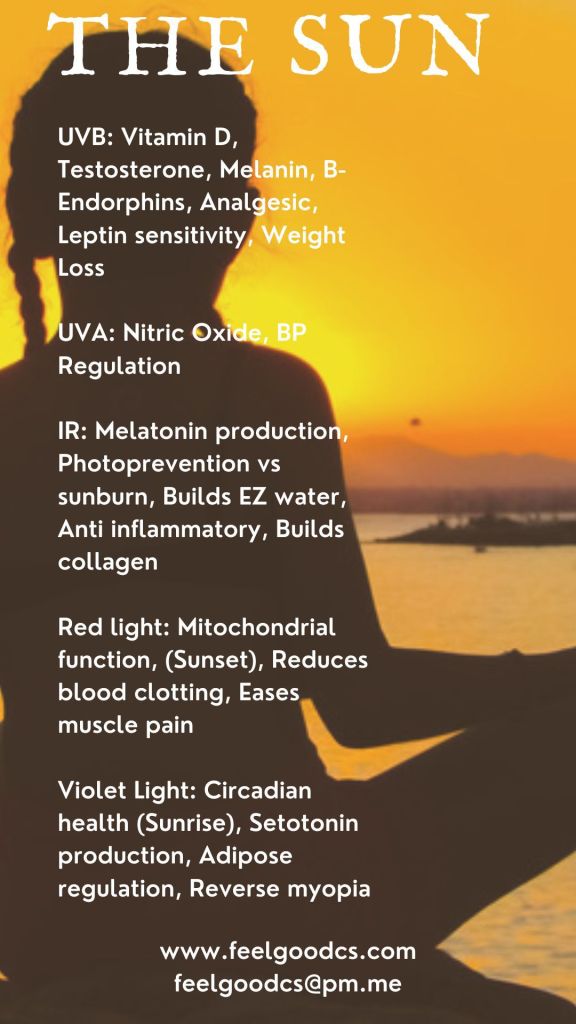
The pineal gland is a small endocrine gland in the brain that secretes melatonin, a hormone that regulates the sleep-wake cycle. Melatonin is produced from serotonin, and its release is influenced by exposure to light, especially morning and evening sunlight. Proper melatonin levels support deep sleep, antioxidant activity, and DNA repair.
The pineal gland also indirectly influences the pituitary gland, which releases hormones such as MSH (Melanocyte Stimulating Hormone). MSH affects the production of melanin, the pigment responsible for skin, hair, and eye color.

Melanin: Biological Facts
Melanin exists in the skin, hair, iris, and certain brain regions (neuromelanin). It protects against UV radiation and oxidative stress. Melanin in neurons may help scavenge free radicals, supporting neural health.
Healthy melanin levels are associated with younger-looking skin and protection from age-related damage.
Beyond Traditional Biology
Some researchers, including Arturo Solís Herrera in Mexico, explore the role of melanin beyond traditional biology. Claims include: Melanin could act as a bioenergetic molecule, potentially absorbing light and influencing neural activity. Practices such as sungazing may stimulate the pineal gland and affect mood or alertness.
Note: Sungazing should only be attempted during safe hours—the first hour after sunrise or last hour before sunset—to avoid retinal damage. Start gradually, seconds at a time, and listen to your body
Practical Implications for Health
Even without metaphysical claims, the following are scientifically supported:
- Morning sunlight exposure helps regulate circadian rhythm and melatonin production.
- Avoiding bright blue light before bedtime supports sleep by allowing serotonin to convert to melatonin naturally.
- Lifestyle choices like managing stress, avoiding excessive processed foods, and maintaining overall health may reduce pineal calcification, although complete prevention is unlikely.

Sungazing: Science vs. Tradition
Fact: Light photons hitting the retina help regulate circadian rhythm and melatonin production.
Directly staring at the sun to stimulate the “third eye” or absorb “cosmic energy” lacks scientific evidence.
Safety: Never look at the sun during peak hours; always follow safe exposure guidelines.
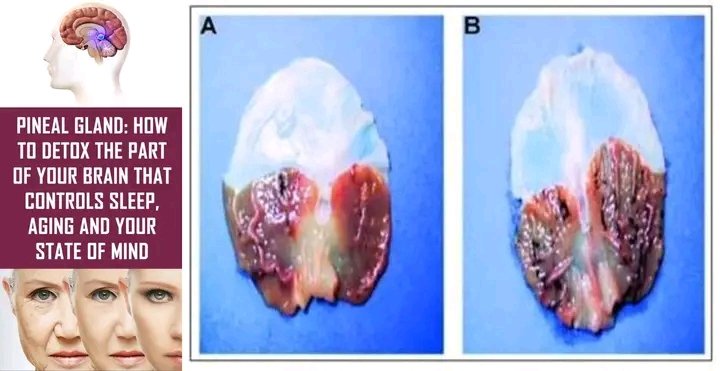
Pineal Calcification
Supporting Pineal Health Naturally (without supplements):
- Limit halide exposure: Reduce fluoride and bromide intake by avoiding fluoridated water, processed foods, and brominated additives.
- Support iodine levels: Consume natural sources like kelp or seaweed to help mobilize halides from the body.
- Maintain adequate magnesium: Supports tissue balance and may reduce excess calcium deposition.
- Align with natural light cycles: Spend time outdoors during daylight to stimulate pineal activity.
- Minimize artificial light at night: Reduces disruption to natural circadian rhythms and supports optimal pineal function.
- Moderate calcium intake: Ensure balanced calcium levels to avoid contributing to calcification.
- Adopt a healthy lifestyle: Sleep, nutrition, and stress management all contribute to overall neurological and pineal health.
Summary
Proven science: Melatonin supports sleep, DNA repair, and antioxidant defense. Melanin protects against UV and oxidative damage. Light exposure affects circadian rhythm.
Experimental ideas:
Melanin may have energetic roles; sungazing may influence neurology.
Metaphysical claims:
Pineal gland as the “third eye” or absorber of cosmic energy remains speculative.
Bottom line: Focus on sunlight exposure, sleep hygiene, stress management, and balanced nutrition to support your pineal gland and overall health.
Discover more from Feel Good Counselling
Subscribe to get the latest posts sent to your email.
