


Poisons That Can Destroy the Brain and Mimic Rabies
Several poisons can make a dog (or other animal) look “rabid” — foaming, aggression, tremors, convulsions, paralysis — because they attack the nervous system or muscles used for swallowing. Some also cause severe brain injury or liquefactive necrosis.
Poison / Toxin Source Main Effects Why It Resembles Rabies
Strychnine Old rat poisons, illegal baits Violent spasms, rigidity, convulsions, rapid death Drooling and spasms create the “foaming” look
Organophosphate / Carbamate insecticides Lawn sprays, flea products, pesticides Excess saliva, tremors, seizures, paralysis Drooling and twitching mimic “rabid” behavior
Cyanide Rodenticides, smoke from burning plastics
Brain oxygen starvation → necrosis Sudden collapse and convulsions
Carbon monoxide Fires, faulty heaters, exhaust fumes Hypoxia → brain cell death Disorientation, coma
Ethylene glycol (antifreeze) Vehicle coolant Metabolic acidosis, kidney failure, brain swelling Early staggering and disorientation
Lead / Mercury Old paint, contaminated soil or fish Chronic neurodegeneration Behavior changes, seizures
Mycotoxins (moldy food) Spoiled feed or grain Tremors, salivation, seizures Looks identical to “mad dog” syndrome
Certain mushrooms or algal toxins Wild mushrooms, contaminated seafood Severe seizures, brain necrosis Convulsions and disorientation
How the brain is destroyed:
These toxins work through oxygen starvation, prolonged seizures, metabolic collapse, or direct neuronal toxicity. In pathology, the brain may show liquefactive necrosis — softening or “melting” of tissue due to massive cell death.
Urgent response:
If a dog suddenly drools, can’t swallow, or convulses, treat it as a veterinary emergency. Remove the animal from the area, avoid contact with saliva, and get veterinary help at once. Bring any possible bait or vomit sample for testing. Do not try home remedies — antidotes such as atropine, pralidoxime, chelators, or fomepizole must be administered by a vet.
The Truth About “Hydrophobia”
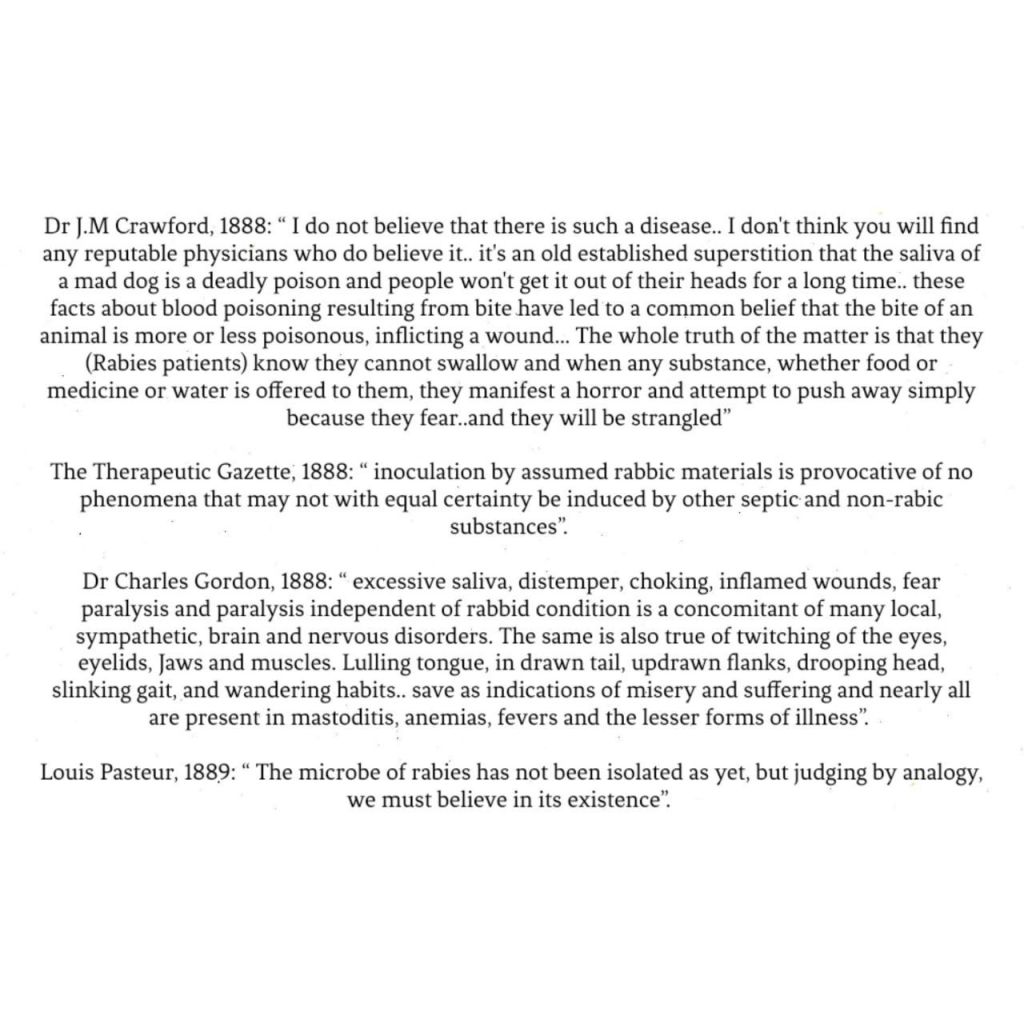
The word hydrophobia means “fear of water,” but the symptom is not psychological fear — it’s painful throat spasms that occur when swallowing liquids during late-stage rabies in humans.
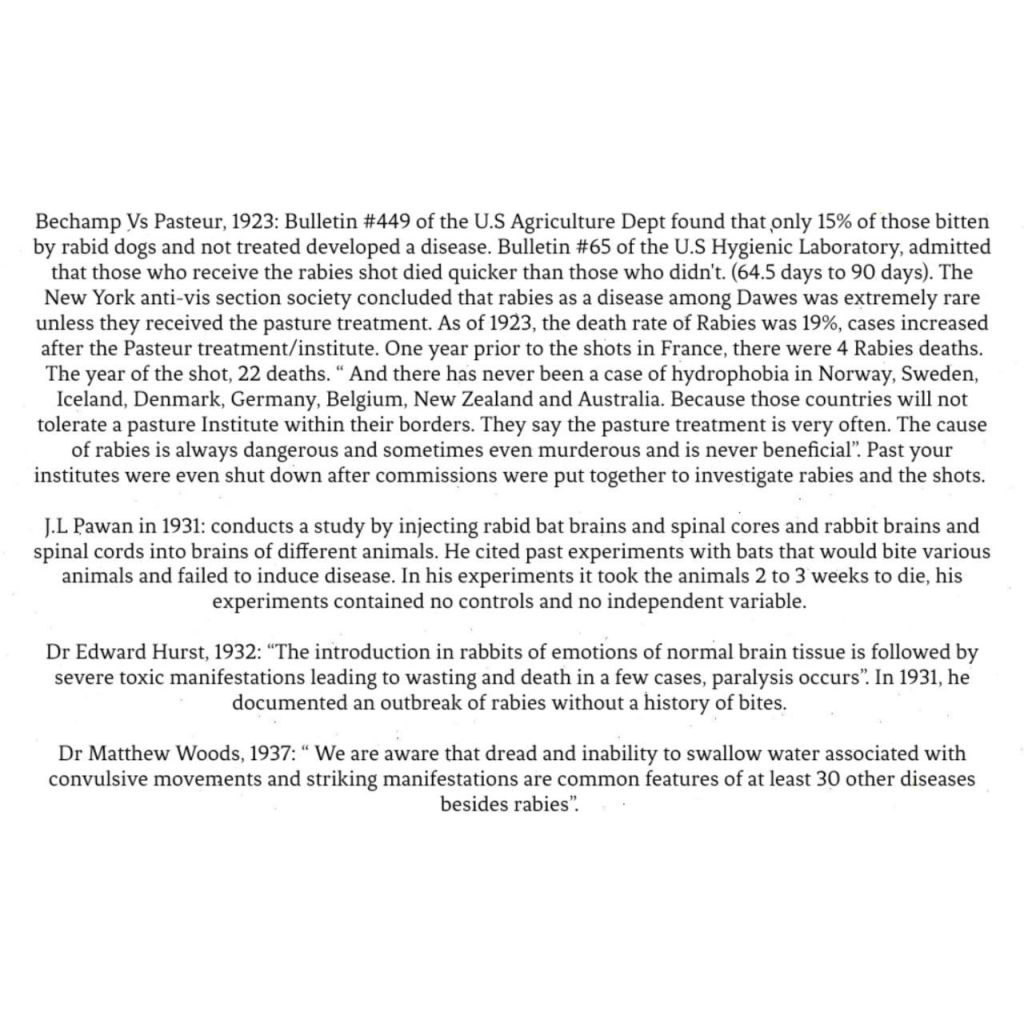
In dogs or other animals, there’s no scientific evidence of emotional fear of water. They stop drinking because their throat muscles are paralyzed, so they physically cannot swallow.
Early physicians in the 1700s–1800s described human patients recoiling from water and misinterpreted it as fear. The label stuck and was later applied to animals.
Modern veterinary pathology texts describe dysphagia (difficulty swallowing), hypersalivation, and paralysis, but not “fear of water.”
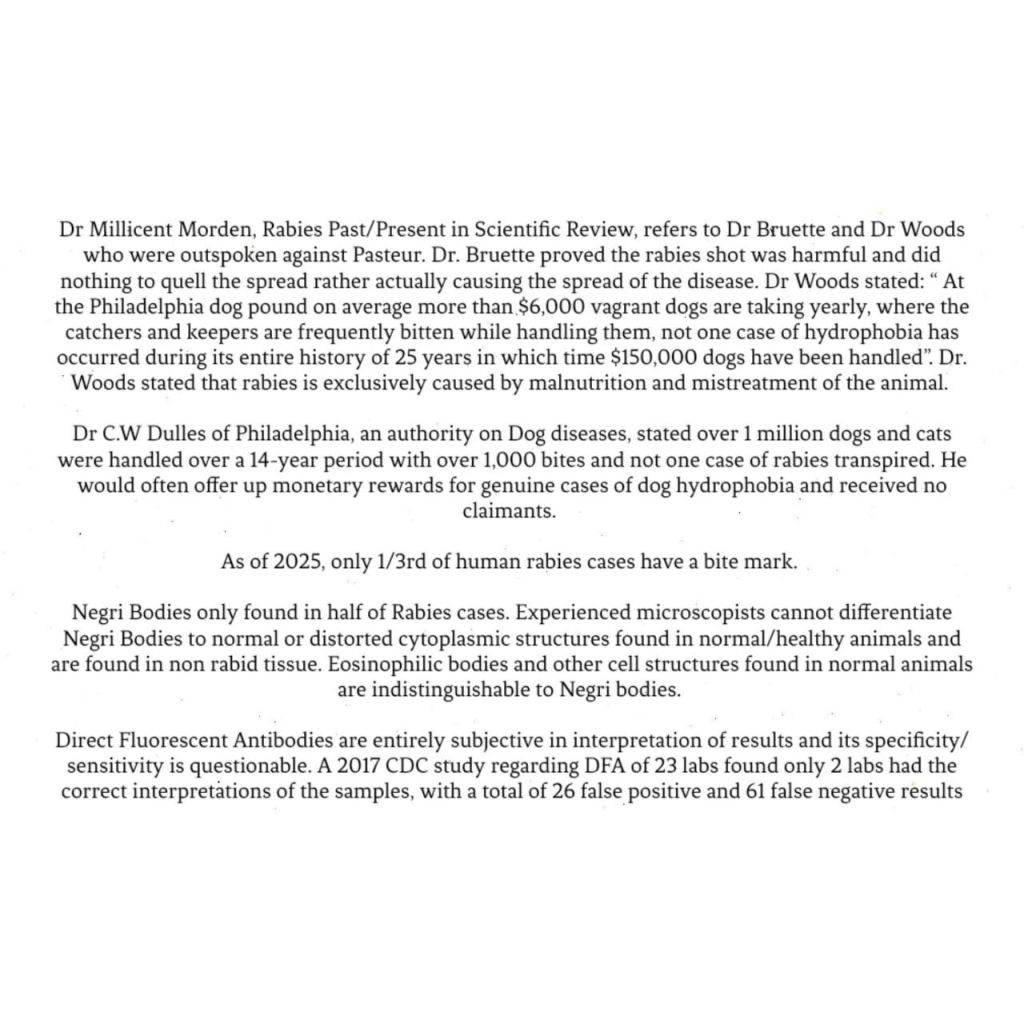
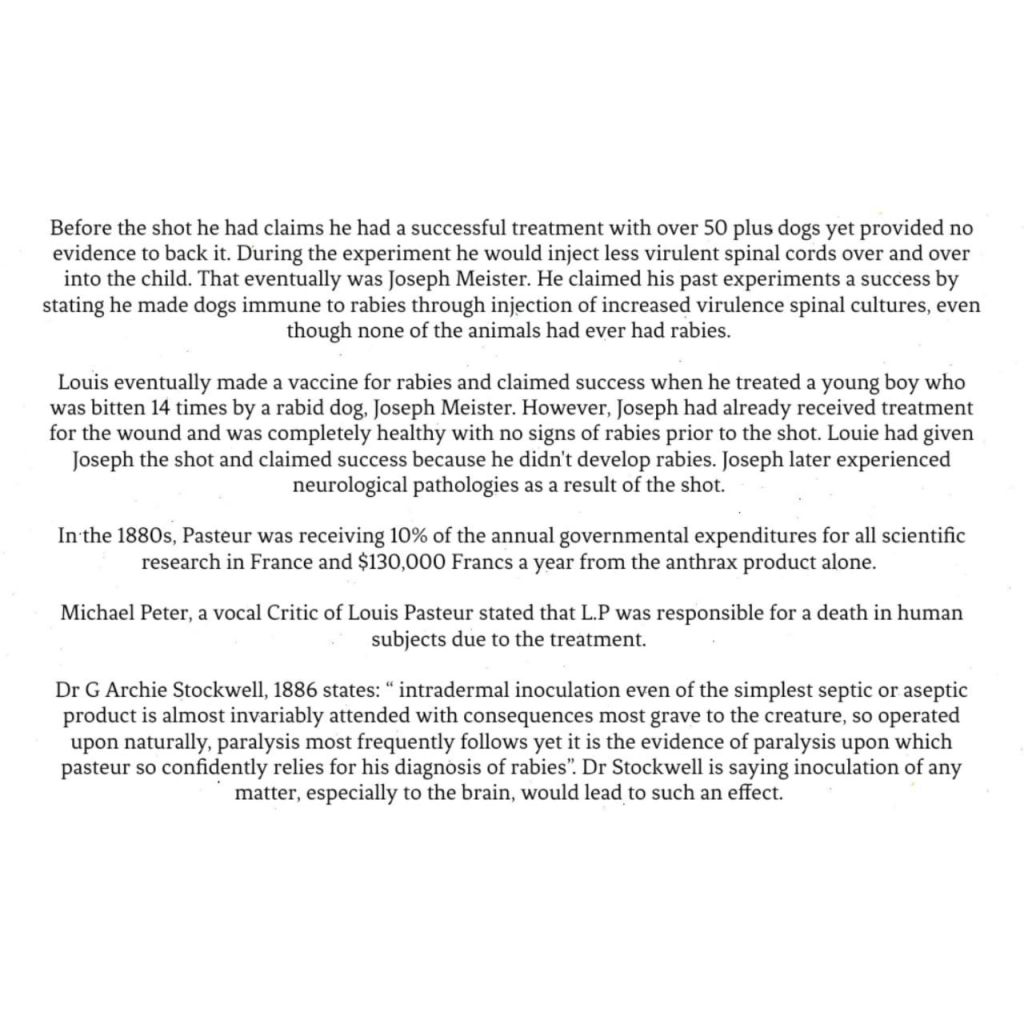
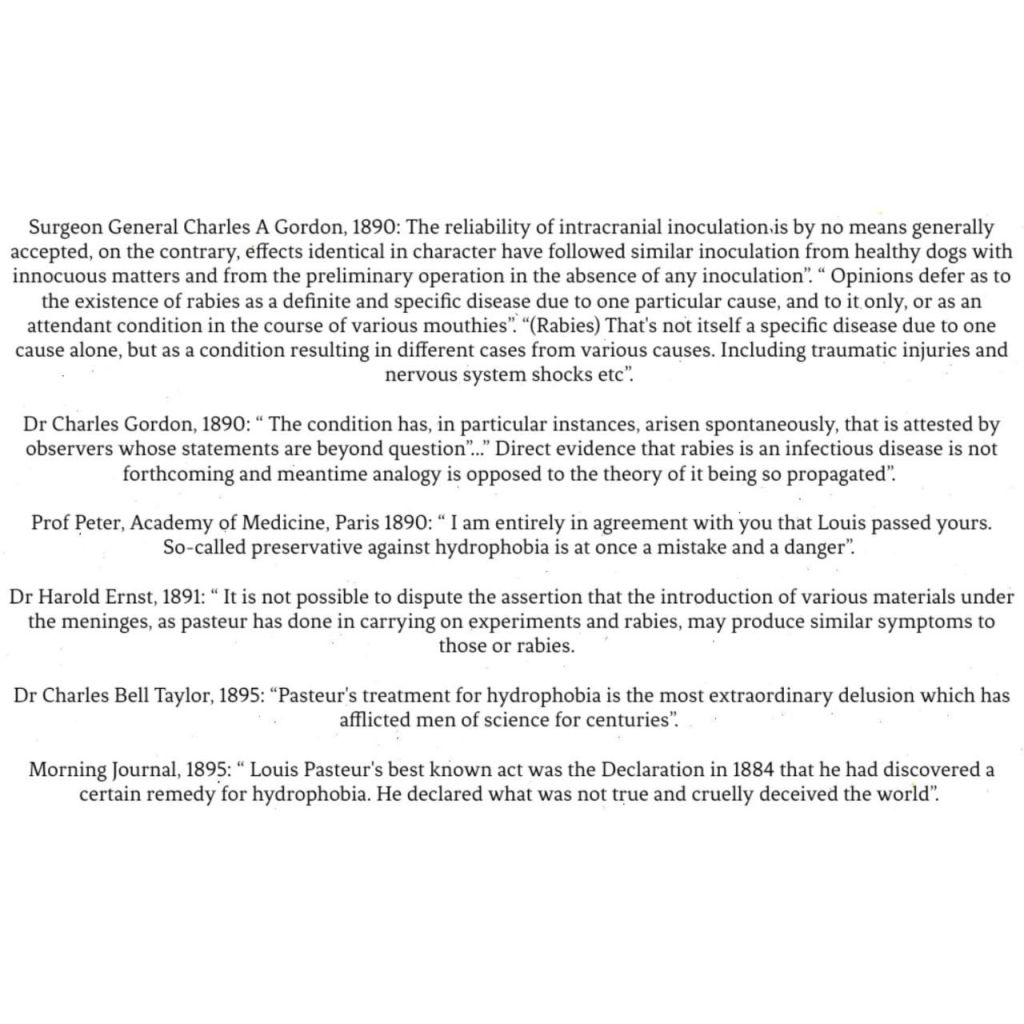
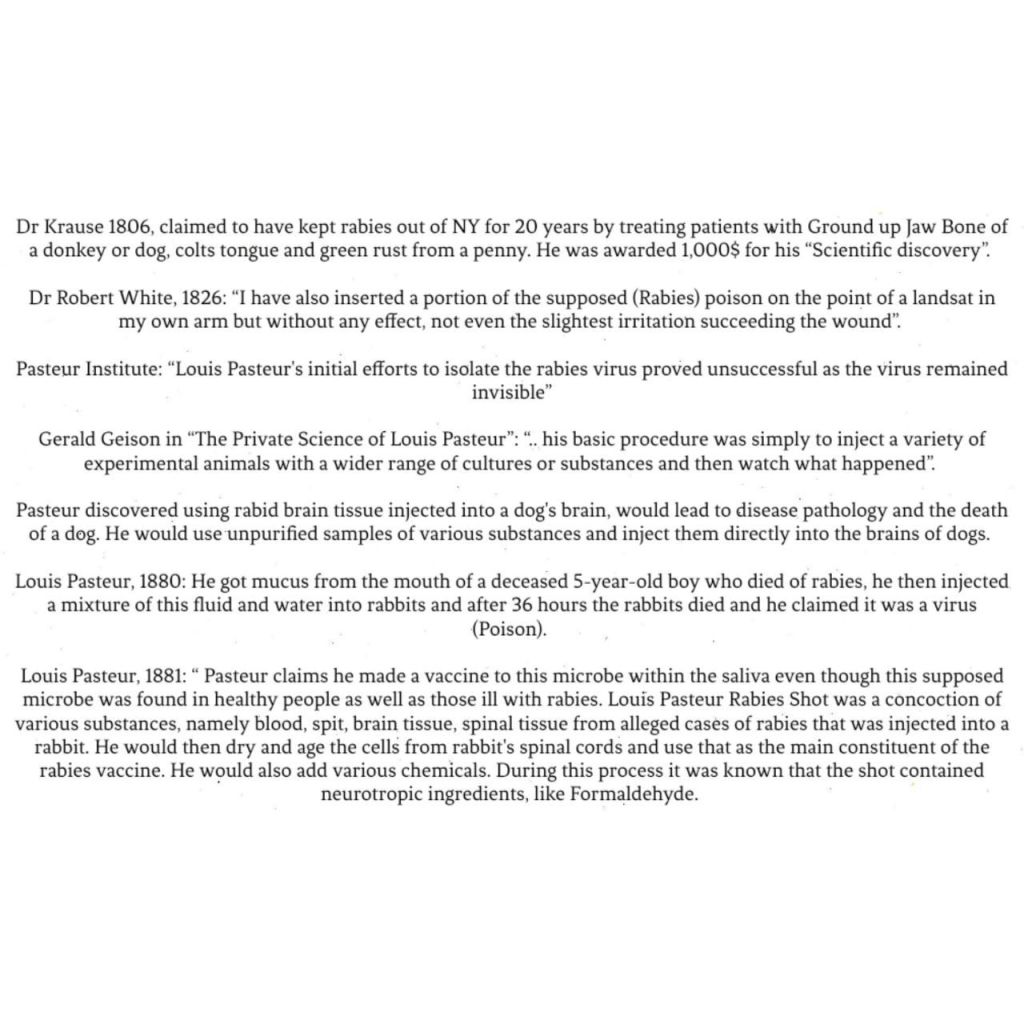
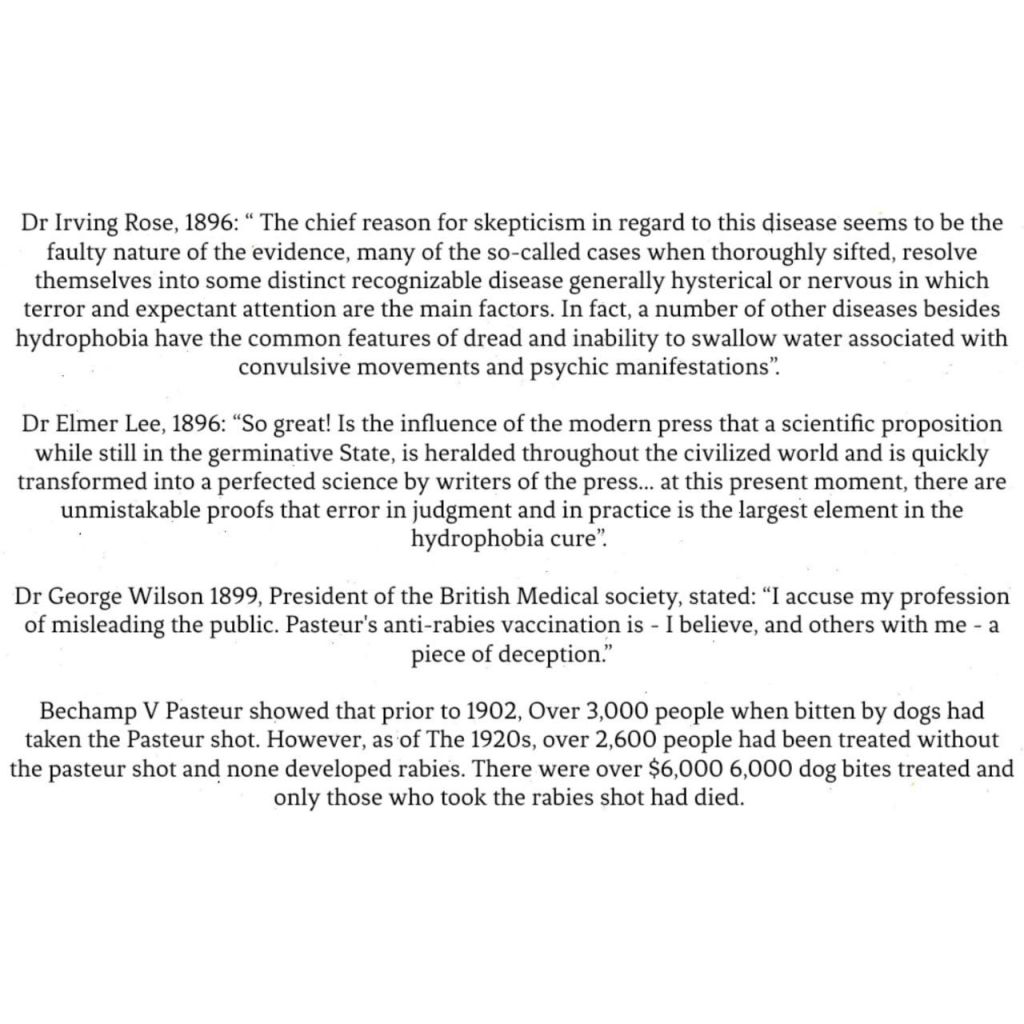
Historically, many “rabid” animals were probably poisoned, injured, or suffering other neurological illnesses before laboratory testing existed.
In short:
Hydrophobia in animals is a myth. What’s observed is muscle paralysis and inability to swallow — not fear of water.
Discover more from Feel Good Counselling
Subscribe to get the latest posts sent to your email.
