“The first step to healing is realizing that you are not what you think you are.”
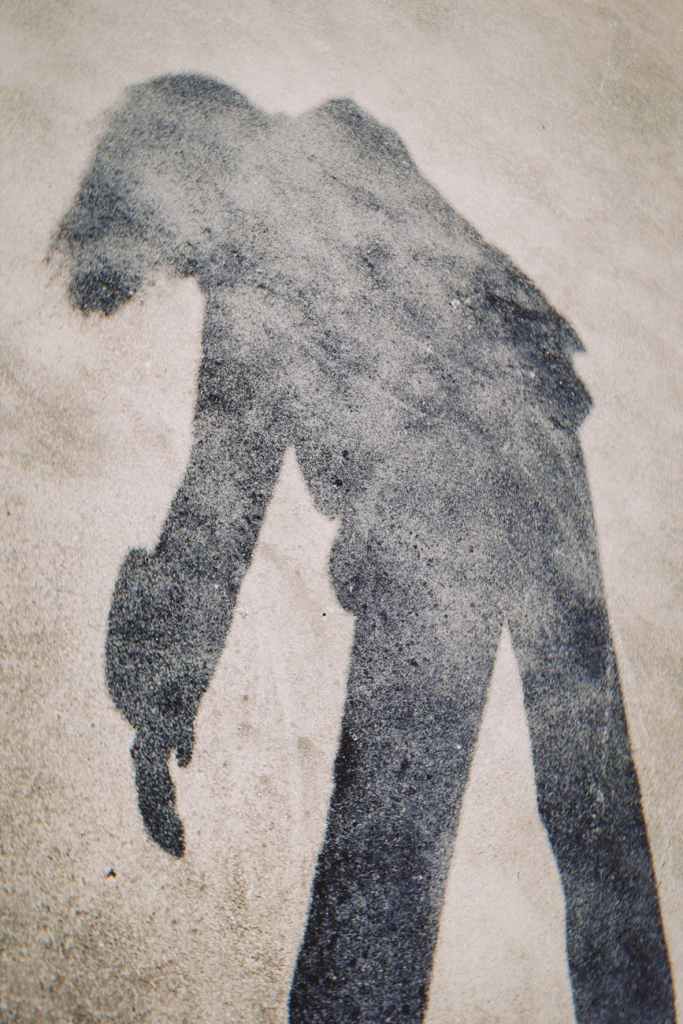
Have you ever found yourself frustrated by a part of your personality, something you wish you could change or hide away? That part of you, the one you might call the shadow, often contains the qualities you least want to acknowledge. This part of you can also be the result of unresolved trauma—painful experiences that you’ve hidden away in an attempt to protect yourself. But what if I told you that what exists in your shadow has an equal opposite counterpart in your conscious self? What if the very qualities you struggle with in the dark parts of your psyche could also be expressed in the light of your true, authentic self?
This powerful idea is central to William A. Miller’s therapeutic approach, which invites you to see your shadow not as something to fix or eliminate but as a natural counterpart to your conscious identity. In this view, light and shadow balance each other, and by learning to embrace both, you unlock a deeper, more harmonious sense of self.
What is the Shadow?
The shadow is the part of your psyche that consists of everything you deny, repress, or hide from the conscious mind. It’s the emotions, desires, and traits we don’t like about ourselves—things we might not want others to see or even admit to ourselves. These repressed parts often come from painful experiences or unresolved trauma. Think about moments when you feel anger, jealousy, or insecurity—these could all be linked to your shadow.
“True freedom is not the absence of fear, but the courage to face it, to engage it, and to let it teach us.”
When trauma occurs—whether from childhood, relationships, or life experiences—the emotional reactions that arise are often too overwhelming to process at the time. In order to protect ourselves, we push these feelings into the subconscious, where they stay hidden. These unresolved emotions and memories create shadows in our psyche, influencing our behavior and emotional reactions without us even realizing it.
But here’s the good part: whatever is in the shadow exists equally in your conscious self. That’s right, if you have a quality you don’t like in your shadow, you have an equal potential to express that quality in a more balanced, conscious way.
The Light and Dark Balance
William A. Miller, building on concepts explored by other writers like Connie Zweig, teaches us that the shadow and light are two halves of the same whole. Without darkness, there is no light, and without light, there is no darkness. These two aspects of the self exist in a dynamic relationship, and one cannot exist without the other.
“The wounded healer knows that we are all healers and that the pain we carry holds within it the potential for transformation.”
For example, you may think of yourself as shy and feel uncomfortable being noticed. In your shadow, you might harbor a fear of being judged or rejected, which keeps you from stepping into the spotlight. But on the flip side, your conscious self also carries the potential for confidence and self-expression. If you can accept and embrace the fear within your shadow, you’ll find that you can bring that confidence forward in a way that feels true to who you are, not forced or fake.
In other words, your shadow contains the seeds of your light. By understanding this balance, you can make peace with the parts of yourself you once rejected, and transform them into something empowering.
Why Embracing Your Shadow is Important
Here’s why accepting your shadow—especially the parts shaped by trauma—is key to achieving a more balanced psyche and authentic self:
Self-Acceptance: When we push away parts of ourselves, we create inner conflict. Accepting the shadow means accepting the full spectrum of who you are, leading to greater peace within.
“In our darkest moments, we have the opportunity to discover the depths of our light.”
Healing from Trauma: Much of the pain we carry comes from unresolved trauma. By embracing your shadow, you create space to heal these old wounds. You allow your shadow to teach you about the emotions and reactions that need healing.
Authenticity: When you embrace both your light and your shadow, you become more authentic. You stop pretending to be something you’re not and start living from a place of true self-expression.
Empowerment: Your shadow holds hidden strengths. By embracing the qualities you’ve been hiding, you bring them into the light and use them to enhance your life.
“The process of transformation is not a smooth path, but a journey of embracing paradox, embracing both the light and the dark within us.”
Practical Exercises to Balance Your Shadow and Light
Now that we understand the importance of balancing the shadow and light within us, here are some practical exercises to help you integrate your shadow and unlock a more authentic, powerful self:
1. Shadow Journaling:
Spend 10-15 minutes each day reflecting on the traits or behaviors you don’t like in yourself. Write them down without judgment.
Ask yourself: What does this trait reflect in me? For example, if you struggle with jealousy, what is it about others that you desire for yourself? How can you acknowledge and express this desire in a more positive way?
2. The Paradox Exercise:
Identify a paradox in your life: a contradiction you experience between your shadow and light. For instance, “I want to be confident, but I fear being judged.”
Sit quietly with both sides of the paradox. Reflect on how both parts are valid. Recognize that both fear and confidence are part of your experience, and they don’t need to cancel each other out.
Let go of the need to “solve” the paradox. Accept both sides of yourself and notice how that brings more peace.
3. The Mirror of Self-Acceptance:
Stand in front of a mirror and look deeply into your eyes. Say to yourself: “I accept all parts of who I am—the light and the shadow.”
Reflect on both the traits you admire in yourself and the ones you wish to change. Recognize that you are complete with both aspects.
This exercise encourages self-compassion, helping you understand that being authentic means embracing both your light and shadow.
4. Shadow Integration Meditation:
Find a quiet space and close your eyes. Take deep, calming breaths and imagine your shadow self as a figure standing before you. Notice how this figure makes you feel.
Ask your shadow: What lesson do you have for me? Listen for the message, whether it’s about vulnerability, strength, fear, or desire.
Once you’ve received the message, invite your shadow to merge with your light, seeing both aspects of yourself as one unified whole.
5. Embodied Practice:
Choose a quality from your shadow that you would like to express more consciously (e.g., confidence, anger, assertiveness).
Find a place where you feel comfortable and practice embodying that quality. For example, if you want to express more confidence, stand tall, make eye contact, and speak from a place of power.
Notice how this new expression feels in your body. Integrating your shadow into conscious expression helps you move toward balance.
Final Thoughts
By recognizing that your shadow and your light are inseparable parts of the same whole, you free yourself from the need to control or reject parts of your identity. Instead, you can embrace your full humanity—the light, the dark, and everything in between. Through the work of integrating your shadow, you create a more authentic, balanced self—someone who is not afraid to show up fully in the world, both in light and in dark.
Remember: Your contradictions are not a flaw; they are an invitation to live more fully and authentically.
Discover more from Feel Good Counselling
Subscribe to get the latest posts sent to your email.
