
For decades, disease has been framed as either a failure of the body or the result of invading microbes. But what if there’s another story, one written not in germs or internal weakness, but in the environment itself?
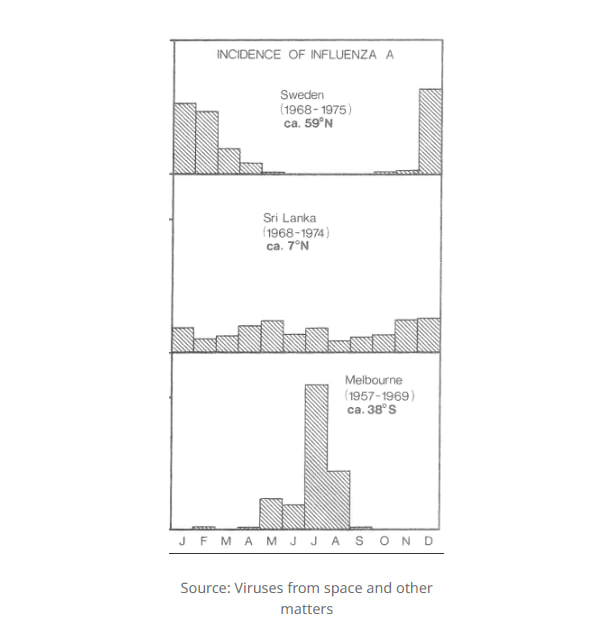
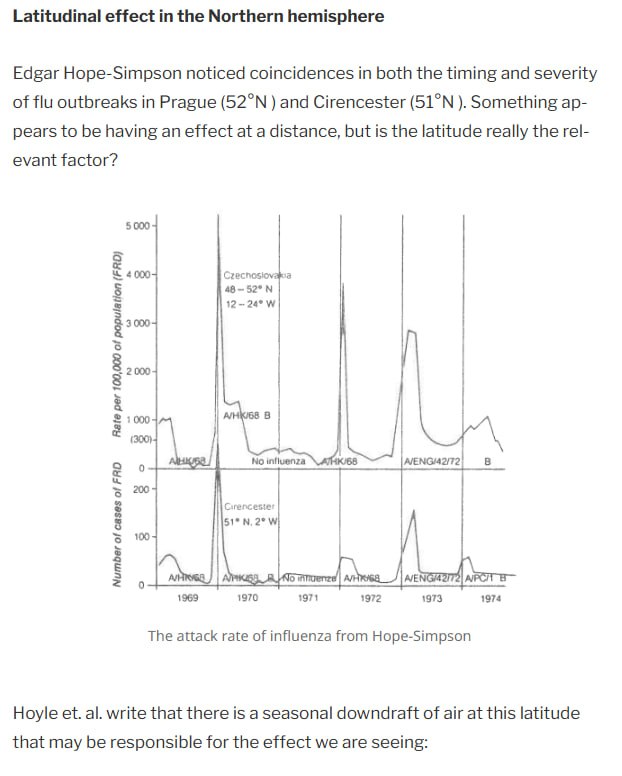
Take influenza, measles, or other acute illnesses. Their seasonal peaks are astonishingly consistent across continents.
Temperature, humidity, sunlight, and subtle shifts in the Earth’s electromagnetic field all move together, creating rhythms that living systems, including our bodies, naturally tune into. Illness often rises and falls in sync with these patterns, suggesting that what we call “disease” may actually be a response to environmental changes rather than a chemical or microbial attack.
This perspective doesn’t diminish the importance of caring for the body, proper nutrition, sleep, movement, and stress management still matter but it shifts the lens: we are responding to our surroundings.
Symptoms may be signals of adjustment, a form of recalibration as we align with seasonal and atmospheric rhythms.
Evidence supports this view: circannual rhythms, solar activity, and geomagnetic fluctuations all correlate with human physiology.
Birds navigate using magnetic fields; plants track subtle shifts in sunlight; humans show measurable physiological changes with atmospheric ion variations. What appears as “disease” may, in part, reflect our alignment or misalignment with these natural forces.
Popular detox narratives promise control cleanse, flush, prevent illness but the larger leverage may be living in tune with nature’s rhythm: aligning with seasonal patterns, getting sunlight, moving through natural environments, and maintaining steady, nourishing habits.
In this view, health isn’t a battle to win; it’s a dance with the environment. Each season, each shift in light, temperature, or electromagnetic tone, invites us to attune and adapt. Symptoms are not failures they are notes in the symphony of the living world, reminding us that we are profoundly interconnected with the environment around us.

Add-on: Mucus and the Body’s Loss of Vacuum
Another fascinating perspective is that mucus may not be a sign of infection or detox at all, but rather a response to a loss of internal vacuum. The body, like all living systems, maintains a delicate balance of inward and outward pressures a subtle centripetal force that holds its structure, fluids, and electrical coherence together.
When this internal pull weakens through sudden environmental changes, temperature drops, humidity shifts, or even emotional or electromagnetic stress the body experiences a temporary vacuum loss. Mucus may then appear as a protective and stabilizing plug, a biological way of re-establishing equilibrium.
Just as a tree releases resin when wounded, or the earth releases dew when the air cools and pressure changes, the human body creates mucus as part of its recalibration with the environment. It is not necessarily a symptom of invasion or contamination, but a visible expression of the body’s attempt to maintain coherence and inner stability when the external world shifts.
Seen this way, the seasonal “cold” becomes less of a battle and more of a biological dialogue with nature a moment where the body, environment, and atmosphere renegotiate balance through the language of fluids, pressure, and adaptation.
Seasonal Disease Patterns and Environmental Drivers
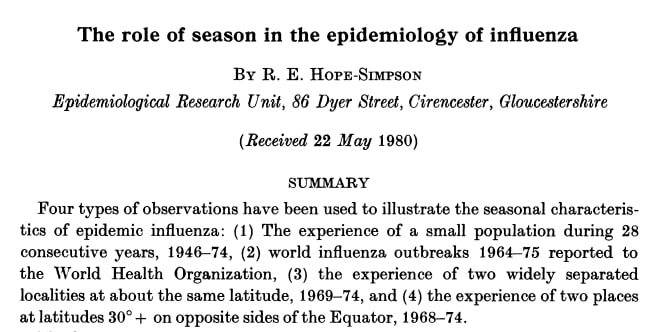
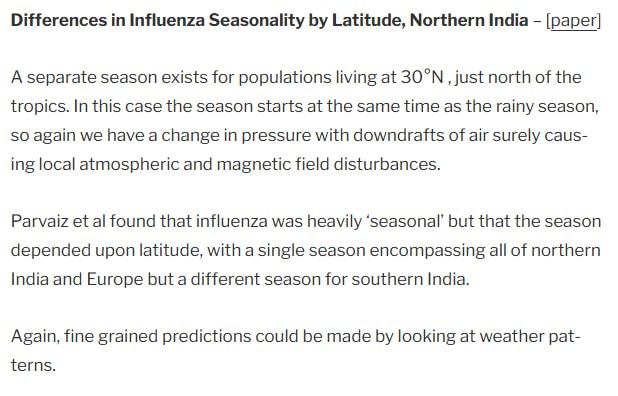
- Global Influenza Seasonality: Reconciling Patterns across Temperate and Tropical Regions
This study discusses how influenza epidemics predominantly occur during winter months in temperate regions due to environmental factors like low temperature and humidity.
https://ehp.niehs.nih.gov/1002383 - Influenza Seasonality and Its Environmental Driving Factors
Research indicating that absolute humidity is a potential driver of influenza seasonality and has a U-shaped association with transmissibility.
https://www.sciencedirect.com/science/article/pii/S0048969721068005 - Environmental Predictors of Seasonal Influenza Epidemics
This article examines how environmental factors like temperature and humidity influence the timing and intensity of influenza outbreaks.
https://journals.plos.org/plospathogens/article?id=10.1371%2Fjournal.ppat.1003194
Circadian and Circannual Rhythms: Biological Responses to Environmental Cues
- Circadian Rhythms in Environmental Health Sciences
A review exploring how circadian rhythms influence disease susceptibility and how environmental exposures can modify these effects.
https://pmc.ncbi.nlm.nih.gov/articles/PMC7458936/ - Circadian Rhythms | National Institute of General Medical Sciences
An overview of how light, temperature, and other environmental factors influence circadian rhythms and, consequently, human health.
https://www.nigms.nih.gov/education/fact-sheets/Pages/circadian-rhythms
Geomagnetic Activity: Subtle Environmental Influences on Health
- Geomagnetic Disturbances Driven by Solar Activity Enhance Cardiovascular Risk
This study discusses how geomagnetic disturbances, influenced by solar activity, are associated with increased cardiovascular risks.
https://pmc.ncbi.nlm.nih.gov/articles/PMC6739933/ - Influence of Geomagnetic Disturbances on Myocardial Infarction
Research indicating that geomagnetic disturbances can influence the incidence of myocardial infarction, particularly during periods of high solar activity.
https://www.nature.com/articles/s43856-025-00887-7 - Some Proves of Integrated Influence of Geomagnetic Activity and Weather Changes on Human Health
A study demonstrating the combined effects of geomagnetic activity and weather changes on human health, highlighting the importance of environmental factors.
https://arxiv.org/abs/0810.0457
All of nature recalibrates as a reaction to the environment and mucus is not only for expulsion its a protective respiratory adaptive response. So not germ, not terrain but environment theory. Or life moving with life.
Discover more from Feel Good Counselling
Subscribe to get the latest posts sent to your email.
