Modern health conversations focus heavily on what we eat, what supplements we take, and which genes we carry. Far less attention is given to when our biology does its work.
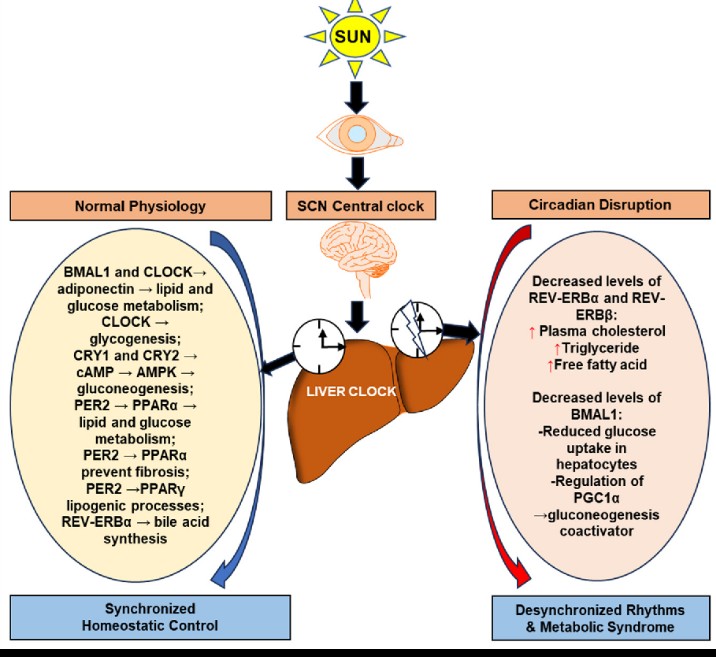
At the center of this timing system sits a quiet but powerful regulator: BMAL1.
BMAL1 is not a trendy wellness term. It is a core circadian clock gene — a molecular conductor that tells every cell in the body when to repair, rest, burn fuel, detoxify, and regenerate. When BMAL1 signaling is disrupted, health begins to fray in subtle but cumulative ways.
This article explores what BMAL1 is, what happens when its function is impaired, and why restoring biological rhythm may be one of the most underestimated healing tools we have.
What Is BMAL1?
BMAL1 (Brain and Muscle ARNT-Like 1) is a master circadian clock gene. Together with another clock protein called CLOCK, it drives the rhythmic expression of thousands of genes across the body.
Every major system depends on BMAL1 timing:
- sleep–wake cycles
- hormone release (including cortisol, insulin, thyroid hormones)
- glucose and fat metabolism
- mitochondrial energy production
- immune function
- cellular repair and antioxidant defenses
BMAL1 is active in almost every cell — not just the brain. This means your liver, muscles, gut, immune cells, and even skin all keep time.
What Does “BMAL1 Deficiency” Mean?
In scientific research, BMAL1 deficiency usually refers to loss or suppression of BMAL1 activity, not a simple vitamin-style deficiency.
True genetic absence of BMAL1 has mainly been studied in animal models, where it leads to profound dysfunction. In humans, what we usually see is functional suppression — the clock is present, but poorly synchronized.
This suppression is driven by modern lifestyle pressures rather than faulty genes.
What happens when BMAL1 is deficient? (mostly from animal models)
In mice lacking BMAL1, researchers observe:
- loss of normal circadian rhythm
- accelerated aging
- insulin resistance and metabolic dysfunction
- increased oxidative stress
- impaired mitochondrial function
- inflammation
- shortened lifespan
- fertility problems
- neurodegenerative changes.
In other words: the body loses its timing system. This is why BMAL1 is sometimes described as a “longevity gene”.
In humans True genetic BMAL1 deficiency is extremely rare and likely incompatible with normal health.
What people usually mean instead is functional suppression of BMAL1 due to:
- chronic sleep deprivation
- circadian misalignment (late nights, irregular schedules)
- excessive artificial light at night
- shift work
- chronic stress
- metabolic stress (insulin resistance, inflammation)
This is reversible.
Why BMAL1 matters metabolically
BMAL1 helps regulate:
- insulin sensitivity
- fat vs glucose metabolism
- cortisol rhythms
- thyroid hormone signaling
- cellular repair at night
When BMAL1 signaling is low:
- blood sugar control worsens
- cortisol becomes dysregulated
- mitochondrial efficiency drops
- healing and regeneration suffer
This connects directly with keto, thyroid function, sleep, and metabolic repair.
How BMAL1 activity is supported naturally
No supplements needed — it’s lifestyle-driven:
- consistent sleep–wake timing
- morning sunlight exposure
- darkness at night
- eating earlier in the day
- avoiding late-night light and food
- adequate protein and micronutrients
- reduced chronic stress
Ready to optimize your metabolism, sleep, and overall health?
Book a one-on-one session with me today and start aligning your lifestyle with your body’s natural clock!
📬 Email: feelgoodcs@pm.me
☎️ Phone: +34 634 35 48 92
Discover more from Feel Good Counselling
Subscribe to get the latest posts sent to your email.
