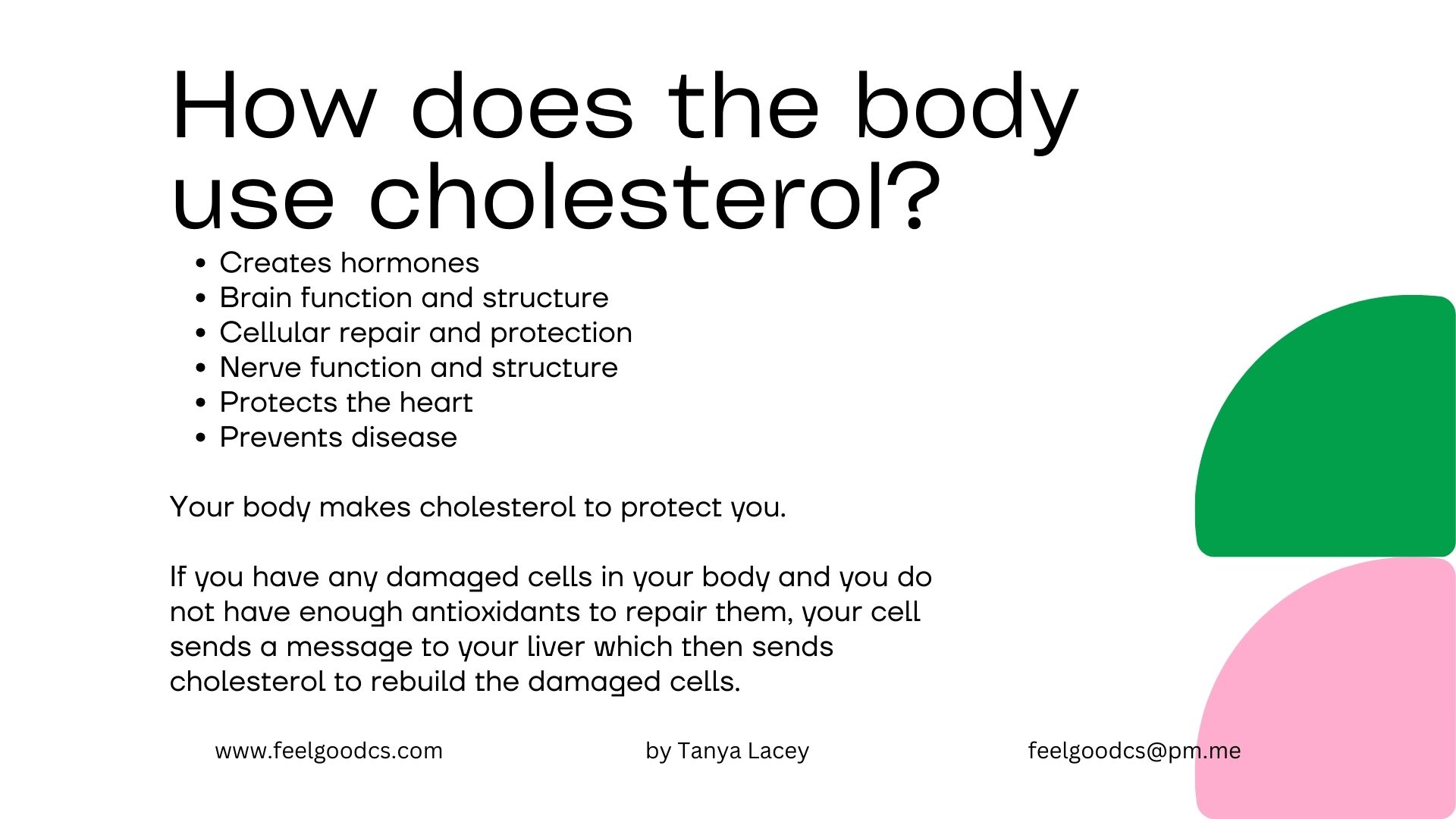
We’ve been told that saturated fat raises LDL, and LDL causes heart disease. But the story is more nuanced.
LDL Is Not “Cholesterol” — It Is a Transport System
Cholesterol doesn’t float freely in the blood. LDL is a delivery vehicle that carries:
- Triglycerides
- Cholesterol for cells and hormones
- Fat-soluble vitamins
- Antioxidants
- Immune signals
High LDL usually means the body is moving energy and materials where they’re needed, not causing harm
Why LDL Rises on Keto
Many people see LDL rise when they shift to a low-carb, high-fat way of eating. This often alarms their doctors, who still interpret LDL through a 1970s lens.
But the rise often has nothing to do with disease — and everything to do with fuel preference and metabolic adaptation.
When carbs are very low, the body switches to using fat and ketones for most energy needs. To make this work efficiently, the liver exports more VLDL particles, which later become LDL. These particles carry fatty acids to the tissues that now run on fat instead of glucose.
More fat being used = more fat being transported = more LDL in circulation.
The lipid energy model
When fat stores are being used or rebuilt, LDL rises to transport fat where it’s needed. Lean people often see LDL increase — again, a sign the body is working efficiently.
✅ Takeaway: LDL increases in lean or ketogenic individuals can be a normal adaptive response, reflecting active lipid metabolism and fat energy homeostasis, rather than a risk signal in isolation.
The Lean Mass Hyper-Responder (LMHR) Pattern
Some people show this pattern more clearly:
- lean
- active
- insulin-sensitive
- low in body fat
- eating ketogenic or very low-carb
Lab pattern:
- High LDL
- High HDL
- Very low triglycerides
- Low fasting insulin
- Low inflammation (low CRP)
Here, LDL is a reflection of healthy fat metabolism, not disease.
Inflammation Matters More Than LDL
LDL only becomes risky if the body is:
- chronically inflamed
- insulin resistant
- under oxidative stress
Two people can have the same LDL number but very different health situations.
The context matters.
Why Many Experts Still Cling to the Old Story
Even brilliant thinkers sometimes repeat the old saturated-fat-raises-LDL narrative because:
- Much of modern medicine is built on population studies of people eating high-carb, high-sugar, high-PUFA diets.
Elevated LDL in this context often does occur alongside inflammation. - LDL is easy to measure, while insulin, CRP, liver fat, and metabolic flexibility are not.
- Guidelines change slowly.
Medicine is conservative; it takes decades for paradigms to shift. - The metabolic context is nearly always ignored.
The body you measure is rarely the body the guidelines were written for.
LDL as an Energy Transport Marker, Not a Disease Marker
LDL levels rise and fall depending on:
- metabolic fuel shift (glucose → fat)
- fasting vs fed states
- thyroid signalling
- liver fat content
- exercise levels
- weight loss or gain
You can raise LDL by eating more fat, burning more fat, losing weight, fasting, or simply being lean and active.
You can lower LDL by increasing carbs slightly, reducing fat flux, or re-entering a mixed-fuel metabolism.
Pathological markers don’t behave this way — adaptive systems do.
The Proof: A Small Increase in Carbs Can Drop LDL Dramatically
One of the strongest clues that high LDL on keto is adaptive rather than harmful is how fast it changes.
Many LMHRs see LDL drop 20–50% by increasing carbs by just 30–50g/day.
Diseases don’t resolve in 72 hours.
But metabolic signals do.
This shows that the “high LDL” was a fuel-transport pattern, not arterial damage.
A New Biology View: Context Is Everything
If we look at the body through the lens of nature, systems thinking, and energy flow, the cholesterol story changes.
LDL becomes:
- part of metabolic communication
- part of fuel distribution
- part of repair signalling
- part of immune defence
- part of hormesis and adaptation
It is not a lone agent causing chaos.
It is a participant in a larger, beautifully coordinated network.
The real questions become:
What is the metabolic state of this person?
Is there inflammation?
Is insulin high or low?
Is this LDL part of a natural adaptation to a new fuel system?
Numbers without context are just numbers.
Final Thoughts
High LDL on keto or carnivore is often a physiological adaptation, not a warning sign.
For many, it reflects:
- high metabolic flexibility
- low inflammation
- healthy fat utilisation
- stable, clean energy production
- strong lipid transport and recycling
Instead of fearing high LDL, we’re better served by understanding why it’s there and what the system is trying to do.
Discover more from Feel Good Counselling
Subscribe to get the latest posts sent to your email.
