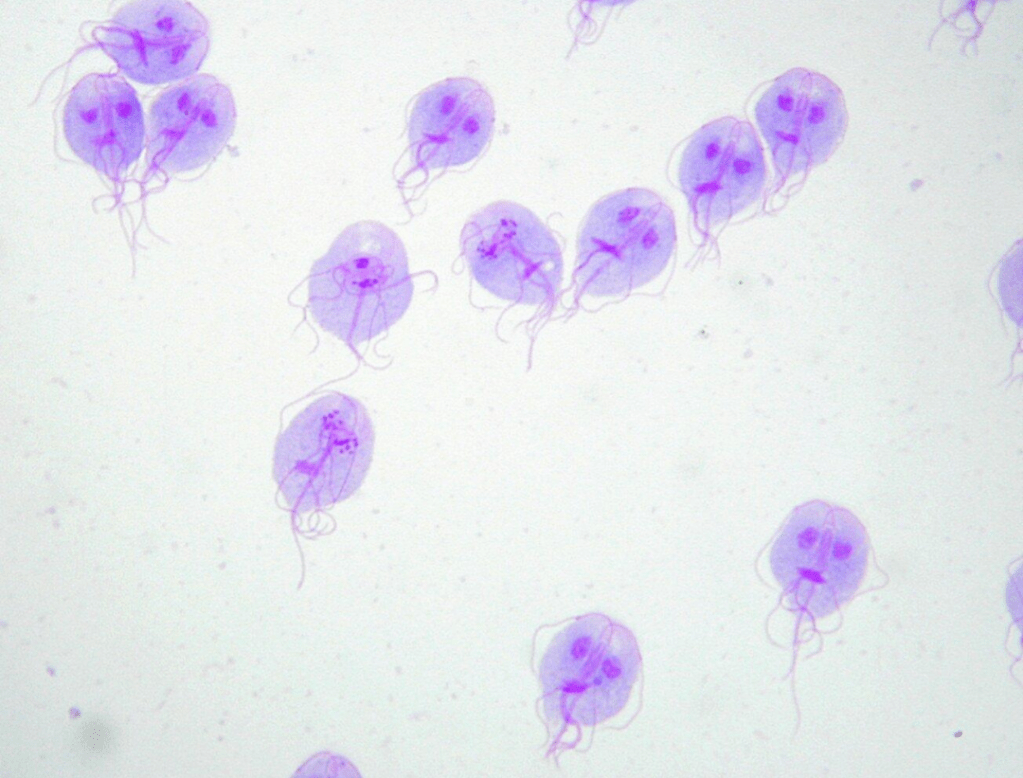
Parasites are often described as the cause of many diseases.
But do they truly cause disease?
Are all parasites genuine living organisms, and what is their actual role in the body?
What evidence supports current beliefs about parasites?
Some researchers argue that, much like their criticism of conventional ideas about viruses, many microscopic parasites may not exist in the way they are commonly described. They suggest that what are identified as parasites may instead be normal biological structures, artifacts created during laboratory preparation, or changes that occur in diseased tissue.
Types of Parasites
Parasites are generally divided into two broad groups:
- Protozoa – including organisms associated with diseases such as leishmaniasis and giardiasis.
- Helminths – larger worms including tapeworms, flukes and roundworms.
Helminths such as tapeworms can be seen with the naked eye and are therefore clearly observable organisms. The debate mainly concerns microscopic protozoa, which require extensive laboratory processing and microscopy to identify.
Difficulties in Identification
Parasitology textbooks acknowledge that many structures seen under the microscope can be difficult to distinguish from one another.
Objects that may resemble protozoa include:
- Yeast spores
- Cell debris
- Macrophages
- Leukocytes (white blood cells)
- Epithelial cells
- Starch granules
- Mucus
- Cotton and synthetic fibres
- Fat droplets
- Glove powder
- Dirt particles
- Plant hairs
- Pollen grains
- Numerous other laboratory artifacts
It is often extremely difficult to distinguish genuine parasites from these naturally occurring structures or contaminants.
Malaria
The word malaria comes from the Italian mal aria, meaning “bad air.”
Symptoms commonly associated with malaria include:
- Chills
- Fever
- Sweating
- Headache
- Muscle pain
- Diarrhoea
- Vomiting
These symptoms are viewed as signs of illness rather than evidence of a parasite being the cause.
Alphonse Laveran
Alphonse Laveran observed particles in the blood of soldiers suffering from malaria and was awarded the Nobel Prize in 1907 for his work.
He stated that although he observed unusual structures, he did not isolate what was claimed to be the malaria parasite and did not demonstrate that these structures could independently produce malaria in another person.
Ronald Ross
Major Ronald Ross proposed that mosquitoes transmitted malaria.
Ross initially found nothing unusual in the stomachs of mosquitoes. In two out of ten mosquitoes he observed cells that appeared different from normal and interpreted these as parasites. He reportedly acknowledged that distinguishing these structures required his own experience, and that others might not recognise them in the same way.
Other physicians reportedly suggested that the observed structures could simply have been ordinary epithelial cells rather than parasites.
Other Investigators
James Martin concluded there was no proof that parasites caused malaria, arguing that observed changes were effects of illness rather than its cause.
Surgeon Colonel Edward Lawrie and Dr. Martyn Jordan examined cases of malarial fever in 1898 and reported finding only deformed red and white blood cells associated with sickness rather than identifiable parasites.
Laboratory Preparation
The identification of these parasites involves adding laboratory chemicals such as:
- Heparin
- Sodium citrate
- Sodium oxalate
- Ringer’s solution
to blood samples which then often produce cells with tail-like projections (flagella).
The flagella arise after chemical treatment rather than existing naturally beforehand. Damaged or poisoned red blood cells may develop appendages as part of a detoxification or removal process.
Formalin and Haemozoin
Formalin, used to fix blood samples for microscopic examination, creates or reveals structures interpreted as malaria parasites.
Similarly, this puts into question the identification of haemozoin, described as the malaria pigment, suggesting it cannot be demonstrated without formalin preparation.
The same concern is extended to protozoa associated with diseases such as leishmaniasis and giardiasis.
Possible Beneficial Roles of Worms
Not all parasites are harmful.
Examples include:
- Helminths interacting with bacteria in the gut in potentially protective ways.
- Earthworms helping to break down microplastics.
- Waxworms also being capable of degrading certain plastics.
Conclusion
A hypothesis that many microscopic parasites have not been conclusively demonstrated to be the primary cause of disease and that some structures identified as parasites may instead represent laboratory artifacts or changes occurring in diseased tissue. They also suggest that larger worms may have beneficial ecological or biological roles.
Also gvmts have been spraying areas where mosquitos and so called malaria exist. This tends to be in poorer countries like the tropics or South America. If you look up the side effects of these protection methods they look very similar to the symptoms of said malaria
A simplified timeline is:
Late 1800s–early 1900s: Oil and compounds such as Paris Green (an arsenic-containing insecticide) were used to kill mosquito larvae.
1940s: DDT came into widespread use during and after World War II. It was very effective against mosquitoes and was used extensively in malaria eradication campaigns.
1970s: Many countries banned agricultural use of DDT because of environmental concerns, although it continued to be permitted in some places for malaria control.
1980s–1990s: Other insecticides, including organophosphates and carbamates, became more common.
2000s to the present day: Pyrethroid insecticides have been widely used on bed nets and for indoor residual spraying. Where mosquitoes have become resistant, other insecticides are also used.
Discover more from Feel Good Counselling
Subscribe to get the latest posts sent to your email.
