
What we eat, drink, breathe, apply to our skin, and even the way we think and perceive the world, all shape the way our body functions. Every input interacts with our metabolism, our nervous system, and our energetic field. Nothing happens in isolation — there is always cause and effect.
Today, many of the conditions we see emerging — inflammation, metabolic issues, cognitive decline, hormonal imbalances, anxiety, fatigue, and chronic discomfort — don’t arise from “mysterious” processes. They develop when the body is overwhelmed by things it was never designed to handle: ultra-processed foods, industrial oils, artificial additives, environmental toxins, constant stimulation, and a deep disconnect from nature.
Human biology thrives on simplicity
- Nutrient-dense foods.
- Clean water.
- Sunlight.
- Natural fats.
- Safe, low-toxin personal care.
- Gentle movement.
- Moments of quiet.
- Intentional perception.
This is what supports metabolic clarity, mitochondrial strength, calmness in the nervous system, and coherent energy in the body.
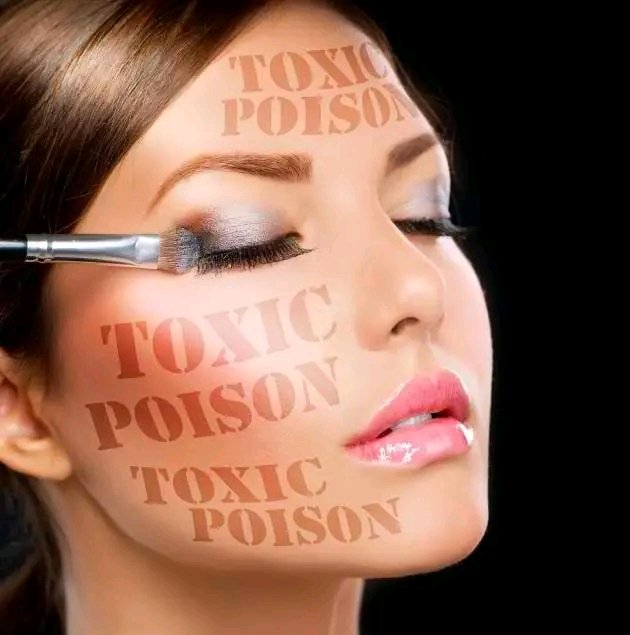
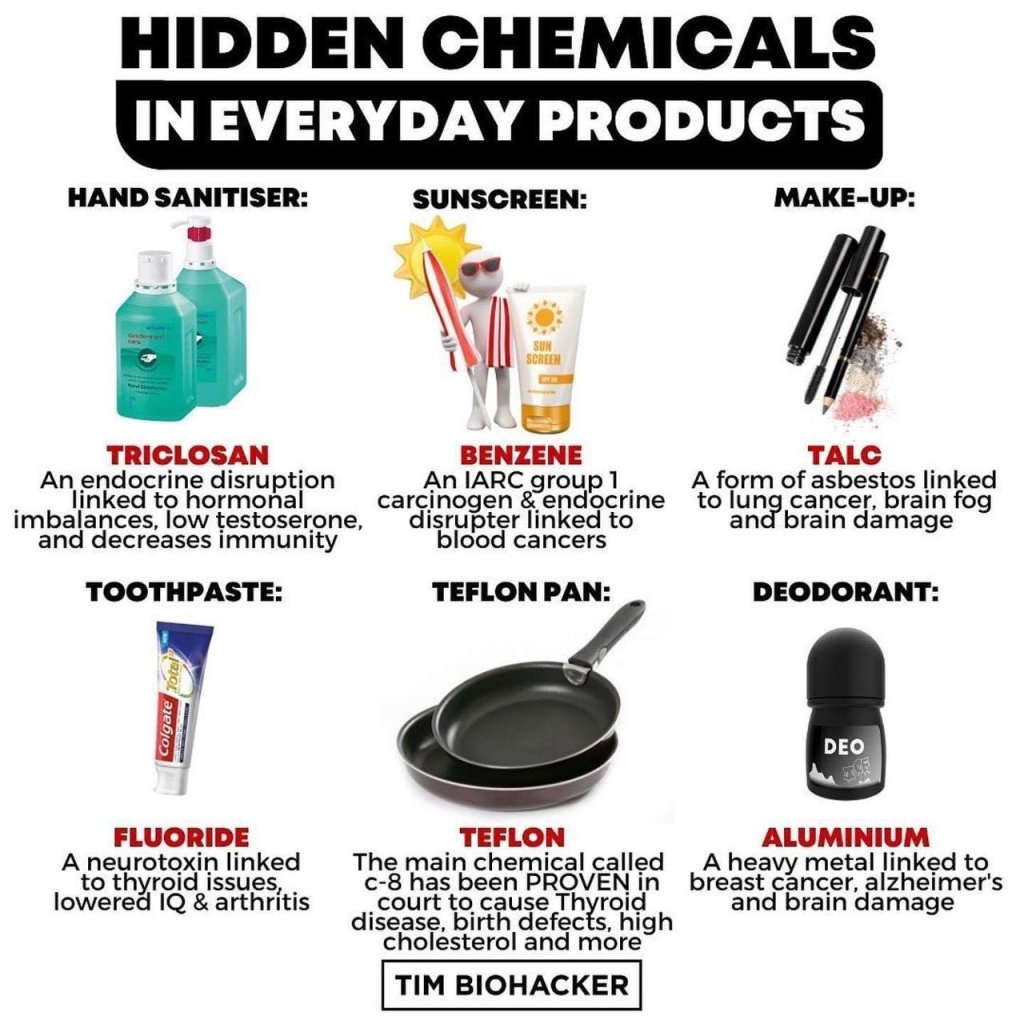
Many everyday products — processed foods, synthetic fragrances, shampoos, lotions, detergents, and cosmetics — contain additives that can irritate the skin, disrupt hormones, burden the liver, or contribute to inflammation. Reducing unnecessary chemical load gives the body more space to repair and regulate itself.
The biggest nutritional load for most people today comes from:
- industrial seed oils (PUFAs)
- artificial sweeteners and flavor enhancers (like MSG and aspartame)
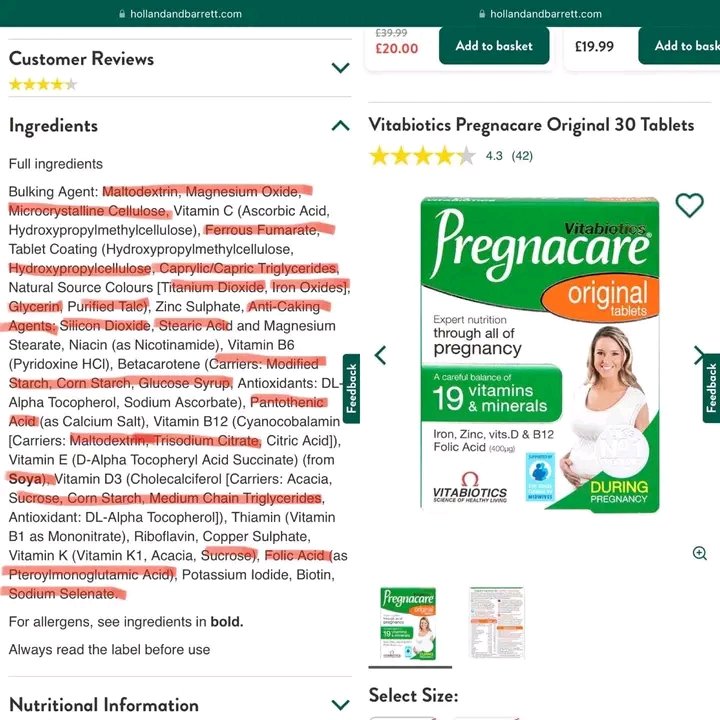
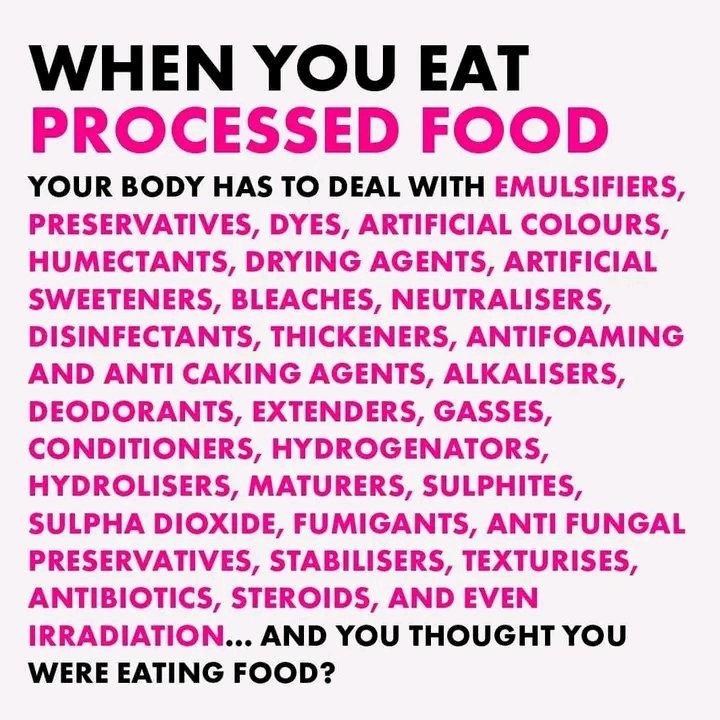
- preservatives, colourings, and emulsifiers found in processed foods
- synthetic fragrances in household and personal products
These substances don’t nourish; they interfere.
They alter metabolism, affect the brain, and shape our internal environment in ways we often don’t realise.
Choosing real foods — especially natural animal foods, low-PUFA fats, seasonal produce, clean water, and simple, recognisable ingredients — brings the body back to what it understands. And when we reduce our chemical exposure on the skin and in the home, our detox pathways relax, inflammation softens, and energy becomes more stable.
My philosophy is not fear-based.
It’s about returning to what is natural, supportive, and coherent.
Nature doesn’t make mistakes.
When we align with her rhythms and give the body the inputs it recognises, it often responds with clarity, steadiness, and a level of wellbeing that many people have forgotten is possible.
Take the next step for your wellbeing
If you want personalised guidance to reduce inflammation, restore clarity, and align your body with natural rhythms, I can help.
📬 Email: feelgoodcs@pm.me
☎️ Phone/WhatsApp: +34 634 35 48 92
Work with me to nourish your body, clear your mind, and thrive naturally.




Do you know what is in your shampoo? 🤔🤷♀️
Here is a list of ingredients commonly found in shampoo…the bad news is, is that these ingredients are considered TOXIC. They can have severe effects on you. So, PLEASE take a look at your shampoo to see if these ingredients are in your’s.
Benzoic or Benzyl- Suspected carcinogen and affects the endocrine gland function. It is suspected in the cause of many birth defects.

Diethanolamime (DEA), Momoethanolamine (MEA), Triethanolamine (TEA)- Foaming agent. Suspected carcinogen. May bind with nitrates and nitrites to form nitrosamines which are TUMOR GROWERS.
Ethylendiaminetetraacetic Acid (EDTA)- Preservative. Hormone disruptor. Suspected in at least two types of cancer, kidney and liver cancer. Known to cause kidney, intestinal, and skin disorders. Causes cramping and the like.
Polyethylene Glycol (PEG)- This is a thickening agent. It will affect your endocrine function; has estrogenic effects; and is a suspected carcinogen.
Propylene Glycol- A surfactant or wetting agent. Skin irritant, causing, inflammation and possible damage to skin. May cause kidney, liver, brain, and pancreatic damage and abnormalities. It is used to break down proteins and cellular structures.

Sodium Laureth and/or Lauryl Sulfate (SLES/SLS)- It is said to contain nitrosamines and dioxane, which are both considered carcinogens. Suspected effects include: liver, kidney, lung and pancreatic damage. May affect calcium utilization causing teeth, bone and liver connective tissue weaknesses. May affect nerves and brain function. Suspected in hair loss, cataracts and poor eyesight, eye damage and development, shortness of breath, skin, irritation and damage, and death.
Synthetic (Artificial) Fragrances- Many are neurotoxins affecting your brain, nerve, and endocrine function; many suspected as carcinogens.
Discover more from Feel Good Counselling
Subscribe to get the latest posts sent to your email.
