
In our modern world, symptoms like high blood pressure, fever, or a cold are often seen as signs of something wrong in the body (germ theory). We’re taught to fear them and treat them with medications or interventions. But what if these symptoms are not the enemy? What if they are actually part of the body’s intelligent response to heal itself? (Terrain Theory).
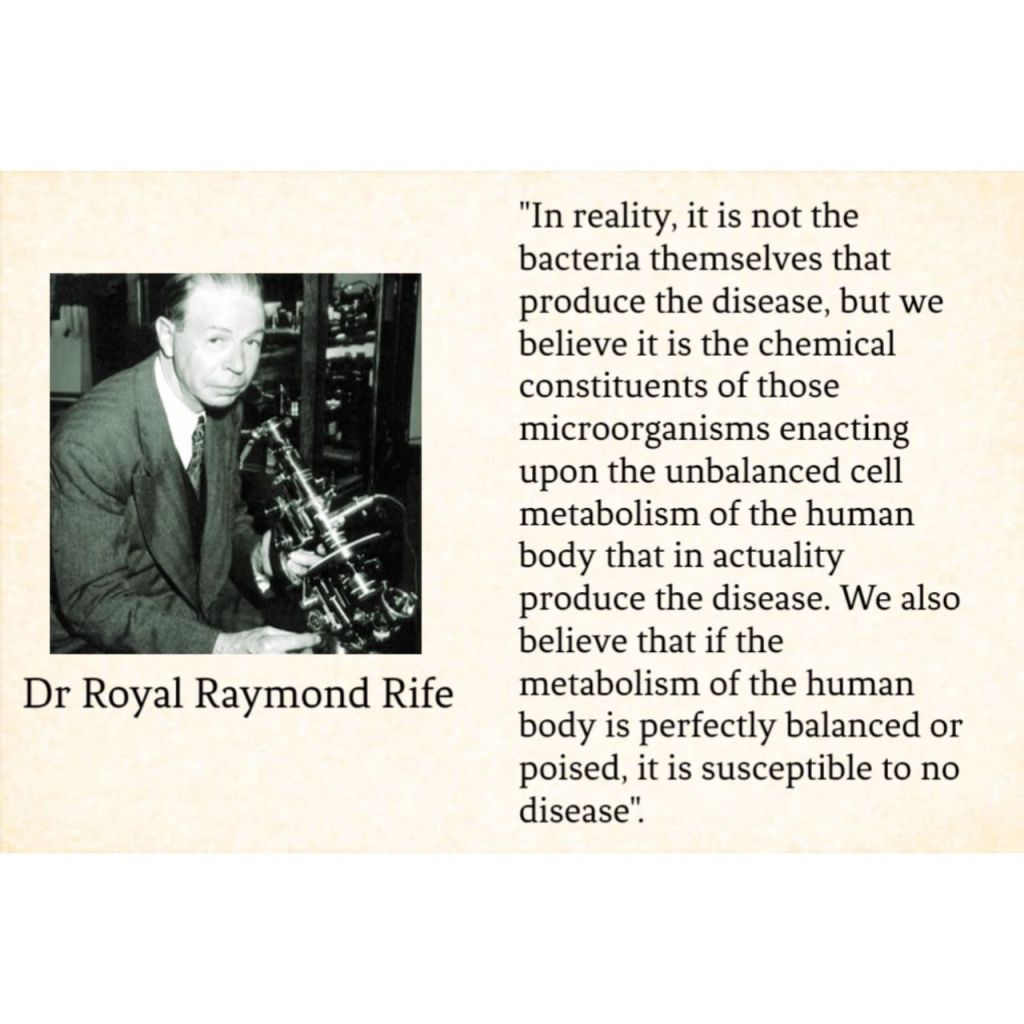
This perspective is at the heart of terrain theory, an idea developed by key figures in natural healing such as Henry Lindlahr, Antoine Bechamp, and Claude Bernard. According to terrain theory, disease doesn’t arise from external pathogens invading the body but from imbalances or toxins within the body’s internal environment, or “terrain.” When the terrain is in a healthy state, the body is capable of maintaining balance and healing itself.
The Body’s Innate Healing Intelligence
The body’s has a natural ability to heal itself when provided with the right conditions. Lindlahr, in particular, wrote extensively about how symptoms are not things to fear, but rather signs that the body is actively detoxifying and healing. In his work, he argued that the body’s vital force (the energy that sustains life) works continuously to expel toxins and restore balance, particularly through symptoms like fever, inflammation, and congestion. These symptoms are part of the healing process, not indicators of disease.
We are self-healing, and the body, with proper nourishment, rest, and environment, can return to a natural state of balance. We can improve this by living in harmony with nature and trusting that the body has the innate wisdom to maintain health when provided with clean air, proper food, and a stress-free environment.
Symptoms as the Body’s Compensation
In line with terrain theory, we now know that symptoms like high blood pressure or fever are often compensatory mechanisms the body uses to maintain homeostasis (balance). When the body is under stress—whether from environmental toxins, poor nutrition, or emotional strain—it responds by adjusting its internal systems to maintain equilibrium.
High blood pressure, for example, may not be a problem in itself but a compensatory mechanism to ensure that the organs and tissues are receiving adequate blood supply, especially during times of stress.
Low blood pressure, on the other hand, might indicate that the body is conserving energy or responding to a change in blood volume or fluid balance.
Fever is a sign that the body is actively fighting infection or dealing with toxins. Raising the body temperature creates an environment where pathogens struggle to survive, while promoting healing through inflammation, and detoxification.
Instead of rushing to lower fever or bring blood pressure down with medications, terrain theory encourages us to understand why these symptoms are appearing and to support the body in its natural process of restoring balance.
Inflammation and Detoxification: The Body’s Defense
Lindlahr also emphasized that inflammation is not a bad thing but part of the body’s natural process of detoxification. When you get a fever or experience swelling, these are signs that the body is doing what it needs to do to heal. Inflammation helps to bring blood and healing nutrients to the site of injury or infection, and fever creates a hostile environment for pathogens, while speeding up recovery.
Rather than suppressing these natural processes, terrain theory advises us to support them. By focusing on nutrition, rest, hydration, and minimizing stress, we help our bodies detoxify and recover more effectively.
The Law of Cure: A Natural Order
The Law of Cure, as outlined by Dr. Samuel Hahnemann, states that healing occurs in a natural order: the body heals from the inside out, from the top down, and in the reverse order of appearance. What this means is that symptoms we experience today could be part of the body’s detoxification process, or a previous condition reappearing as the body releases old toxins or imbalances.
For example, skin rashes or headaches that might have appeared during childhood may re-emerge as the body heals long-held imbalances. This is part of the body’s natural process of eliminating old toxins and bringing balance back.
Empowering the Body’s Healing Process
The core idea of terrain theory is that the body is capable of maintaining balance and healing itself, given the right support. This is where Lindlahr’s work is especially powerful—he encouraged people to trust in the body’s natural healing processes, rather than immediately turning to medication to suppress symptoms.
Rather than seeing symptoms as enemies to be conquered, terrain theory invites us to consider the following:
1. Symptom Awareness: When symptoms arise, instead of rushing to suppress them, we can ask: What is my body trying to tell me? Is it detoxifying, adjusting to stress, or correcting an imbalance?
2. Support the Terrain: Ensure that the body has the proper nutrition, hydration, and rest to support its healing processes. When we provide the body with what it needs to restore balance, we enable it to heal naturally.
3. Trust the Process: Healing is a journey, and symptoms may appear as the body works through them. By embracing this process and not fearing symptoms, we can support the body’s vital force in restoring balance.
Conclusion: Trusting the Wisdom of the Body
By embracing terrain theory and the work of pioneers like Henry Lindlahr, we can shift our perspective on health. Symptoms are not the enemy—they are part of the body’s natural process of restoring balance. Instead of fearing them or immediately seeking to suppress them, we can trust that the body is working to heal and maintain homeostasis.
When we understand that symptoms like fever, high blood pressure, or inflammation are often signs of the body’s natural healing process, we can approach health with more confidence and less fear. By supporting the body with nourishing foods, adequate rest, and a balanced lifestyle, we allow it to do what it does best—heal itself naturally.


Discover more from Feel Good Counselling
Subscribe to get the latest posts sent to your email.
